Why Ghibli-Style AI Images Went Viral, and the Copyright Questions They Raised
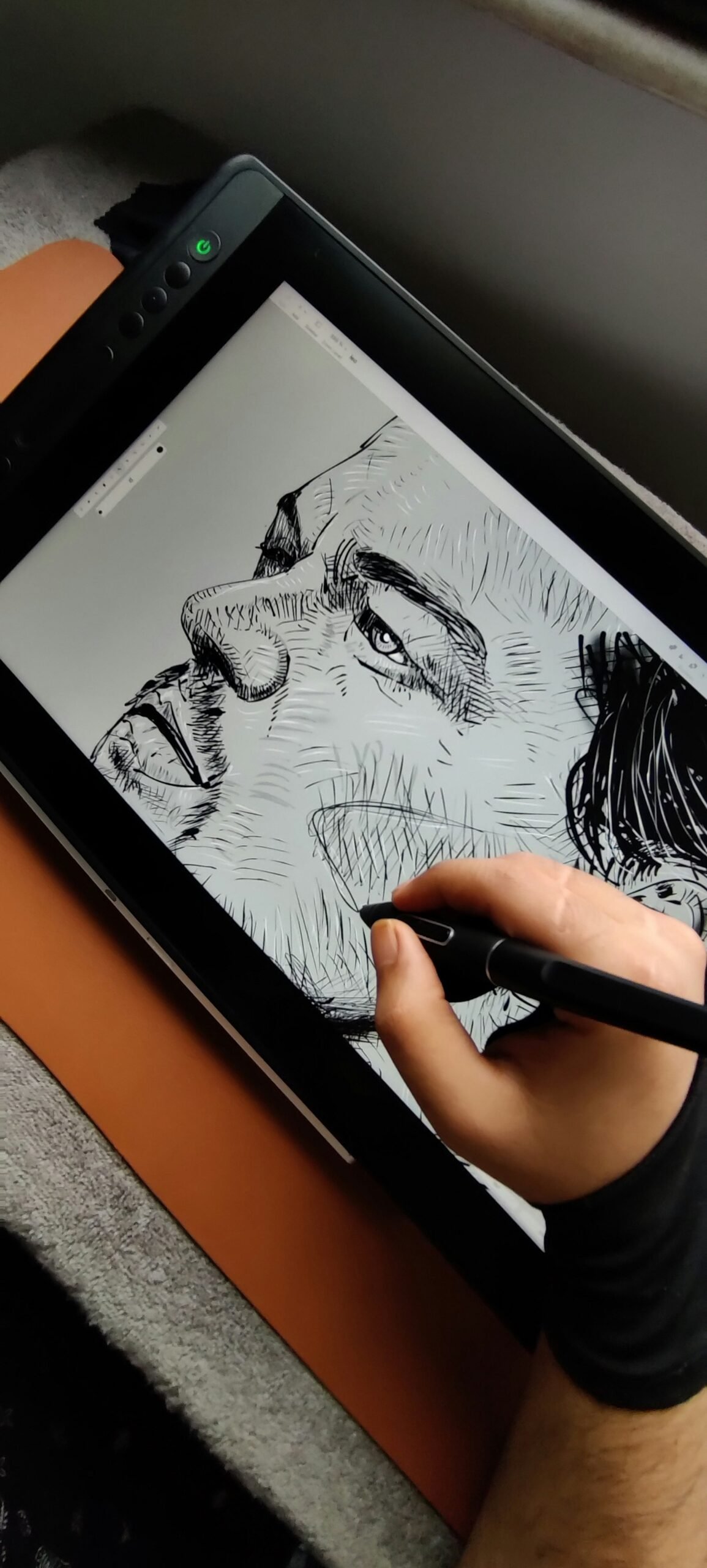
In late March 2025, social feeds filled with selfies, pets and family photos redrawn in a soft, hand-painted anime style that many people associated with Studio Ghibli. The trend took off right after OpenAI released a new image generator inside ChatGPT, and it became one of the most visible AI moments of the year.
Here is why it spread so quickly, why it became controversial, and what creators and businesses should keep in mind.
Quick answer: The trend went viral because ChatGPT made it easy to turn personal photos into a familiar, nostalgic art style in seconds. It also raised questions about training AI on artists’ work without permission, which Japanese rights holders, including Studio Ghibli through the trade group CODA, later raised directly with OpenAI.
How the trend started
Studio Ghibli, the Japanese animation studio behind films such as Spirited Away and My Neighbor Totoro, is known for detailed backgrounds, warm colours and gentle character designs. When ChatGPT’s native image generation launched in March 2025, users discovered it could restyle uploaded photos in a similar look. Even OpenAI’s CEO changed his profile picture to a Ghibli-style portrait, which pushed the trend further.
Why it spread so fast
- Personal: people transformed their own photos, so every image felt unique.
- Nostalgic: the style is linked to films many people grew up with.
- Easy: one upload and a short prompt were enough.
- Shareable: the images looked good on every social platform.
The copyright and ethics debate
Critics argued that generating images in a studio’s recognisable style benefits from artists’ work without consent or payment. In late October 2025, the Japanese trade group CODA, whose members include Studio Ghibli, sent OpenAI a letter asking it to stop using members’ content to train its Sora 2 video model without permission and objecting to an opt-out approach.
Whether an art style can be protected is a complex legal question that varies by country. Specific characters, scenes and logos, however, are clearly protected, and reproducing them is a much higher risk.
What creators and businesses should consider
- Avoid copyrighted characters and scenes in anything you publish, and never use them in ads or products.
- Don’t imply endorsement: do not use a studio’s name or brand to promote AI-made content.
- Develop your own style: describe colours, lighting and mood in prompts instead of naming a living artist or studio.
- Read the tool’s terms: AI tools have different rules on style requests and commercial use.
- Label AI images where platforms or clients require it.
- Support original artists by commissioning or licensing work for important projects.
Sources
- TechCrunch: Studio Ghibli and other Japanese publishers want OpenAI to stop training on their work
- GamesRadar: CODA letter to OpenAI
- Studio Ghibli official site
Related: AI tools for animation and graphic design compared.
Correction note: this article was revised to add context about how the trend started and the copyright debate that followed.